

Why Commercial Flat Roofing Requires Specialized Expertise in 2026
At first glance, roofing may seem straightforward.
A roof is a roof… right?
Not exactly.
Commercial flat roofing is a highly specialized field that involves complex systems, strict safety requirements, manufacturer standards, and long-term asset management strategies that go far beyond what many “general roofers” are equipped to handle.
And in 2026—when building codes, warranty requirements, and material systems continue to evolve—the difference between hiring a true commercial roofing contractor and hiring a general roofer can directly impact:
- roof performance,
- warranty protection,
- insurance claims,
- operating costs,
- and even the lifespan of the building itself.
At Etheridge Roofing, commercial roofing is not a side service—it’s our specialty.
Here’s what truly separates an experienced commercial roofing contractor from a general roofer, and why that distinction matters more than ever.
Commercial Roofing Is an Entirely Different Industry
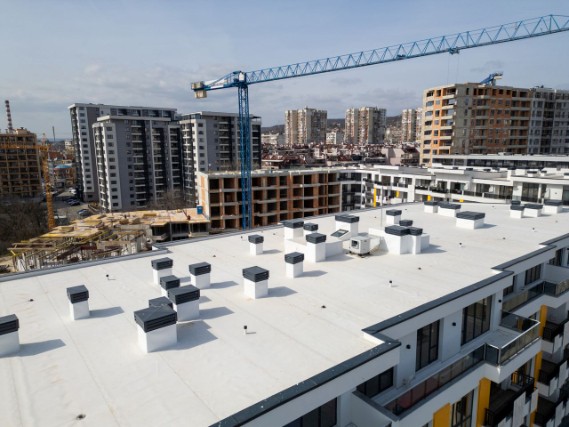
Residential and commercial roofing systems are fundamentally different in:
- design,
- materials,
- drainage,
- installation methods,
- and long-term maintenance needs.
Most residential roofers work primarily on:
- shingles,
- pitched roofs,
- and smaller-scale projects.
Commercial roofing contractors work with:
- TPO and PVC membrane systems,
- large flat roof assemblies,
- rooftop equipment coordination,
- complex drainage systems,
- and strict manufacturer specifications.
The tools, training, and technical knowledge required are not interchangeable.
1. Specialized Commercial Roofing Systems
One of the biggest differences is the roofing system itself.
Commercial flat roofs involve:
- single-ply membrane systems,
- insulation assemblies,
- attachment methods,
- vapor barriers,
- edge metal systems,
- and rooftop penetrations.
These systems must work together as a complete building envelope.
At Etheridge Roofing, we specialize in:
- TPO roofing systems,
- PVC membrane systems,
- standing seam metal retrofit systems,
- and commercial flat roof recovery and replacement solutions.
A contractor unfamiliar with these systems may install materials incorrectly, overlook critical details, or create compatibility issues that shorten the roof’s lifespan.
2. Commercial Roofing Requires Specialized Equipment
Commercial roofing projects often involve:
- large rooftop areas,
- cranes and material lifts,
- heat-welded membrane systems,
- moisture detection equipment,
- and advanced safety systems.
Professional commercial contractors use specialized tools such as:
- robotic welders,
- infrared moisture scanners,
- membrane seam probes,
- and manufacturer-approved welding equipment.
These tools help ensure:
- seam integrity,
- accurate moisture detection,
- and code-compliant installation.
A general roofer may not have access to, or experience with the equipment required for commercial flat roofing systems.
3. Safety Standards Are Much More Complex
Commercial roofing involves significantly greater safety requirements than many smaller residential projects.
Contractors must manage:
- fall protection systems,
- rooftop access,
- OSHA compliance,
- equipment coordination,
- and occupied commercial spaces below.
Improper safety practices can expose building owners to:
- liability risks,
- workplace injuries,
- project shutdowns,
- and insurance complications.
Professional commercial roofing contractors maintain structured safety programs designed specifically for large-scale commercial environments.
At Etheridge Roofing, safety is not treated as optional, it’s integrated into every phase of the project.
4. Manufacturer Certifications Matter More Than Most Owners Realize
Not every roofer is authorized to install commercial roofing systems under manufacturer warranty programs.
Leading manufacturers often require contractors to:
- complete specialized training,
- demonstrate installation quality,
- maintain certification standards,
- and follow strict installation procedures.
Why does this matter?
Because many commercial warranties are only valid when:
- approved materials are used,
- installation follows manufacturer specifications,
- and certified contractors perform the work.
Hiring a non-certified contractor can:
- limit warranty options,
- void coverage,
- or create problems during future claims.
5. Commercial Roof Warranties Are Complex
Commercial roofing warranties are far more detailed than many property owners realize.
A professional contractor understands:
- manufacturer warranty requirements,
- maintenance obligations,
- documentation standards,
- and repair procedures that preserve coverage.
At Etheridge Roofing, we help clients:
- maintain warranty compliance,
- document inspections and repairs,
- and avoid actions that could unintentionally void protection.
A general roofer may complete a repair without understanding how it affects:
- membrane compatibility,
- warranty eligibility,
- or long-term system performance.
6. Commercial Roofing Is About Long-Term Asset Management
A true commercial roofing contractor does more than install roofs.
They help property owners:
- plan budgets,
- manage lifecycle costs,
- prioritize repairs,
- and extend roof performance strategically.
Commercial roofs are major capital assets—not short-term projects.
That means roofing decisions should support:
- energy efficiency,
- tenant protection,
- operational continuity,
- and long-term building value.
At Etheridge Roofing, we approach roofing as part of the building’s overall performance strategy—not just a repair ticket.
7. Documentation and Reporting Are Critical
Professional commercial roofing contractors provide:
- inspection reports,
- photo documentation,
- maintenance records,
- moisture scan results,
- and detailed project scopes.
This documentation matters for:
- warranty protection,
- insurance claims,
- property transactions,
- and capital planning.
A basic walk-through or verbal recommendation is not enough for today’s commercial properties.
8. Commercial Roof Failures Often Begin in the Details
Many major roofing failures begin with small installation mistakes:
- poorly welded seams,
- incorrect flashing details,
- improper drainage,
- incompatible materials,
- or failed edge systems.
These details require specialized knowledge and experience.
Commercial roofing systems are engineered assemblies—and even small errors can affect the entire roof’s performance over time.
Why the Right Contractor Saves Money Long-Term
Choosing the right contractor is not just about upfront price.
It’s about:
- reducing lifecycle costs,
- preventing premature failure,
- preserving warranties,
- minimizing disruptions,
- and protecting the value of the property.
An experienced commercial roofing contractor helps prevent:
- recurring leaks,
- reactive repairs,
- energy inefficiency,
- and avoidable replacement costs.
In many cases, the lowest bid becomes the most expensive option over time.
How Etheridge Roofing Stands Apart
At Etheridge Roofing, commercial roofing is our focus—not an occasional service offering.
We bring:
- decades of commercial roofing experience,
- ES-1 certified metal fabrication,
- manufacturer-compliant installation practices,
- comprehensive inspections,
- and long-term roofing strategies designed around performance.
Our goal is not simply to install roofs.
It’s to help clients protect their buildings, budgets, and long-term investments.
Final Thought: Expertise Matters
Commercial flat roofing is too complex—and too important—to treat as a generic trade.
The right contractor understands:
- systems,
- safety,
- compliance,
- warranties,
- and long-term performance.
Because in commercial roofing, what separates a professional from a general roofer is not just what they install—it’s what they understand.
Schedule a Commercial Roof Evaluation
If you’re evaluating contractors, planning repairs, or preparing for a roof replacement, Etheridge Roofing can help you make informed decisions backed by experience and technical expertise.
Contact our team today
Popular Posts

Selecting the appropriate roofing system is...


The connection between the quality of our...
Recent Posts

When faced with Emergency Commercial Roof...

As hurricane season approaches, property managers...